
ISO Certification in Copenhagen, Denmark: Setting Global Standards in a Sustainable City
Simplify your path to global compliance. We offer end-to-end consulting, training, and audit support for ISO, HACCP, CE Mark, and a wide range of international standards.
- 11+ Years Experience
- 30+ Countries Served
Copenhagen isn’t just Denmark’s capital, it’s a global symbol of innovation, sustainability, and smart business. From its world-leading renewable energy projects to its high-tech food and manufacturing sectors, the city thrives on one principle: doing things right, efficiently, and responsibly. Known for its ambitious goal of becoming the world’s first carbon-neutral capital by 2025, Copenhagen sets the standard for how modern cities can balance economic growth with environmental responsibility. This makes ISO Certification in Copenhagen a powerful tool for businesses aiming to match the city’s global reputation for quality and sustainability.
That’s exactly what ISO Certification in Denmark represents. For Copenhagen businesses, ISO Certification isn’t just about compliance, it’s about aligning with a mindset of excellence, transparency, and sustainability that defines modern Denmark. It empowers organizations to operate at global standards, enhance customer satisfaction, and continually improve, all while supporting Denmark’s long-standing commitment to quality, innovation, and green business practices.
What is ISO Certification?
ISO Certification is a formal recognition that a company’s processes, products, or management systems meet globally accepted standards set by the International Organization for Standardization In simple terms, ISO certification acts as a quality passport that proves your business operates with consistency, efficiency, and reliability, whether in food production, IT, healthcare, or renewable energy. For companies in Copenhagen, ISO certification strengthens credibility in global and EU markets, ensures compliance with strict European sustainability and safety standards, and builds confidence among clients, partners, and regulators.
Each ISO standard focuses on a specific area of management, such as ISO 9001 for Quality Management, ISO 14001 for Environmental Responsibility, ISO 45001 for Occupational Health and Safety, ISO 27001 for Information Security, and ISO 22000 for Food Safety. By achieving certification, businesses in Copenhagen demonstrate their commitment to meeting the highest international expectations for quality, sustainability, and efficienc
How to get ISO Certification in Copenhagen: A step by step roadmap

Know What ISO Certification Is

This initial stage is about education. You need to understand that ISO certification is a formal validation that your business processes meet international standards for quality, safety, or efficiency. It's about recognizing that these standards help improve customer trust and open doors to global markets.
Choose the Right ISO Standard

Not all certifications are the same. You must identify which "rulebook" fits your industry and goals. For example, a tech company might choose ISO 27001 for data security, while a manufacturing firm in Denmark might prioritize ISO 9001 for quality management or ISO 14001 for environmental impact.
Gap Analysis & Documentation

You perform a "gap analysis" to compare how you currently operate against what the ISO standard requires. Once you find the gaps, you must document your processes. This involves writing down your procedures and policies to ensure they are consistent, repeatable, and meet the specific criteria of the standard.
Training Staff & Internal Audit

Certification is a team effort. You must train your employees so they understand and follow the new documented procedures. Once everyone is up to speed, you conduct an "internal audit"—a self-check to find and fix any remaining errors before the official inspectors arrive.
Get Audited and Certified

In the final step, an independent, third-party auditor visits your business to verify that you are actually doing what your documentation says. If you pass this assessment, you are officially issued your ISO certificate, which you then maintain through regular follow-up reviews.
Why ISO Certification Matters in Copenhagen’s Modern Economy
Denmark is one of the most sustainability-driven nations in the world, and Copenhagen leads that charge.
From zero-waste factories to carbon-neutral operations, businesses here understand that reputation is built on responsibility.
ISO Certification helps Copenhagen businesses to:
- Strengthen compliance with EU directives and local laws
- Build international credibility for exports and partnerships
- Improve efficiency and cut waste
- Enhance brand reputation in competitive markets
- Create safer, greener, and smarter workplaces
Whether you’re in renewable energy, biotech, food processing, or logistics, ISO standards help you turn Danish quality into global trust.
Get Free Consultation
Our Clients

Our Projects
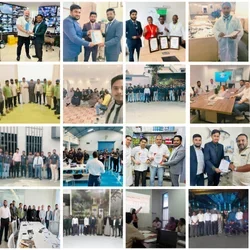
Why Choose PopularCert?
- Trusted Global ISO Certification Partner
- Experienced Industry-Focused Consultants
- Complete End-to-End Certification Support
- Fast & Transparent Certification Process
- International Compliance & Audit Readiness
- Dedicated Long-Term Customer Support
Types Of ISO Certification In Copenhagen
- ISO Certification In Copenhagen
- ISO 9001 Certification in Copenhagen
- ISO 14001 Certification in Copenhagen
- ISO 45001 Certification in Copenhagen
- ISO 22000 Certification in Copenhagen
- ISO 27001 Certification in Copenhagen
- ISO 17025 Certification in Copenhagen
- ISO 13485 Certification in Copenhagen
- CE Mark Certification in Copenhagen
- ISO 20000-1 Certification in Copenhagen
- GMP Certification in Copenhagen
- Halal Certification in Copenhagen
- SOC-1 Certification in Copenhagen
- SOC-2 Certification in Copenhagen
Copenhagen’s Vision 2030: A Blueprint for Green, Certified Growth
Copenhagen aims to become the world’s first carbon-neutral capital by 2030. This ambitious vision is driving industries to embrace cleaner technologies, circular economy models, and certified operational excellence.
ISO standards play a central role in achieving these goals:
- ISO 14001 helps companies monitor and minimize environmental impact.
- ISO 50001 supports energy efficiency initiatives.
- ISO 9001 ensures consistent quality across public and private projects.
From renewable energy to sustainable construction, ISO certification In Copenhagen helps Copenhagen align business growth with environmental integrity, ensuring that innovation doesn’t come at the planet’s expense.
The Copenhagen Business Landscape: Where Quality Meets Responsibility
Copenhagen is home to some of the world’s most forward-thinking companies, from shipping giants to green technology innovators. The city’s economy thrives on precision, efficiency, and trust.
But in a market driven by strict EU regulations, customer expectations, and international trade, companies must prove their reliability, not just claim it.
That’s where ISO Certification in Copenhagen comes in.
It provides businesses with a recognized framework to demonstrate:
- Quality assurance through ISO 9001
- Environmental responsibility via ISO 14001
- Food safety compliance with ISO 22000
- Data protection through ISO 27001
- Employee safety and wellbeing with ISO 45001
These standards are more than certificates, they are the language of trust in global business.
ISO’s Role in Denmark’s Green Innovation Ecosystem
Copenhagen’s industries are deeply connected to Denmark’s innovation-driven economy, powered by research, clean technology, and smart data. ISO Certification strengthens this ecosystem by:
- Supporting green financing through measurable sustainability benchmarks
- Enhancing public procurement eligibility for ISO-certified firms
- Aligning local production with EU Green Deal and UN Sustainable Development Goals (SDGs)
Whether it’s a startup in Ørestad or a logistics company in Nordhavn, ISO compliance builds a common foundation for innovation, responsibility, and international growth.
Top Industries in Copenhagen Benefiting from ISO Certification
| Sector | Recommended ISO Standards | Benefits |
|---|---|---|
| Renewable Energy & Utilities | ISO 14001, ISO 50001 | Boost sustainability, reduce energy costs, and meet EU environmental goals |
| Food & Beverage | ISO 22000, HACCP | Strengthen food safety, streamline supply chains, and ensure EU export compliance |
| Technology & IT | ISO 27001, ISO 20000 | Protect customer data, ensure GDPR compliance, and build digital trust |
| Healthcare & Pharmaceuticals | ISO 13485, ISO 9001 | Maintain product safety, meet EU MDR requirements, and improve traceability |
| Construction & Architecture | ISO 9001, ISO 45001 | Enhance quality assurance and ensure safe, efficient project delivery |
| Logistics & Transportation | ISO 28000, ISO 9001 | Ensure secure supply chains, reduce operational risks, and improve efficiency |
| Tourism & Hospitality | ISO 9001, ISO 14001 | Enhance service quality, improve sustainability, and boost customer satisfaction |
| Retail & Wholesale | ISO 9001, ISO 14001 | Standardize operations, reduce waste, and strengthen brand reputation |
| Education & Training | ISO 21001, ISO 9001 | Improve educational quality, ensure process consistency, and enhance stakeholder trust |
Real-World Example: How a Copenhagen Business Gained the Edge
Case Study 1: NordicTech Engineering – ISO 9001 & ISO 45001
Industry: Engineering & Manufacturing
Challenge: Inconsistent documentation, high rework rates, and rising safety incidents.
Solution: Popularcert helped implement ISO 9001 & ISO 45001 by streamlining procedures, training staff in Danish and English, and preparing for audits.
Results:
- Production errors dropped 22%
- Workplace incidents reduced 35%
- Secured two new EU clients
Outcome: ISO certification in Copenhagen enhanced processes and strengthened brand reputation for quality and safety.
Case Study 2: GreenWave Foods – ISO 22000 & ISO 14001
Industry: Food & Beverage
Challenge: Difficulty meeting EU export standards due to inconsistent food safety and environmental processes.
Solution: Popularcert implemented ISO 22000 & ISO 14001 with process mapping, staff training, and audit preparation.
Results:
- Full EU compliance in 4 months
- Production waste reduced 18%
- Export orders increased to Germany and Netherlands
- Strengthened brand reputation for sustainability and quality
Outcome: ISO certification in Copenhagen enabled EU market expansion and showcased commitment to food safety and environmental responsibility.
Cost & Timeline for ISO Certification in Copenhagen
Achieving ISO Certification in Copenhagen involves both financial investment and time commitment. Costs vary depending on company size, industry, and complexity of management systems, but understanding typical expenses and timeline helps businesses plan efficiently.
Estimated Costs:
- Consultant Fees: For system setup, gap analysis, and staff training.
- Certification Body Fees: Charges for external audits and final certification.
- Internal Costs: Employee time, documentation, and process adjustments.
Timeline:
The certification process generally spans several weeks to a few months, depending on the company’s readiness, system complexity, and chosen ISO standard(s). Engaging an experienced consultant like Popularcert can streamline the process and ensure smoother preparation for the audit.
ROI Consideration:
ISO certification is an investment that quickly pays off by improving efficiency, reducing waste, increasing market credibility, and opening doors to international and EU opportunities.
Local Compliance & EU Alignment
Popularcert ensures your ISO certification aligns with Danish EPA standards and EU compliance frameworks, giving your business credibility with clients, public institutions, and international partners. This alignment helps you meet current requirements and stay prepared for future regulations.
Key benefits:
- Regulatory Readiness: Comply with EU sustainability and data protection standards.
- Tender & Contract Eligibility: Strengthen public tender and partnership opportunities.
- Risk Reduction: Minimize compliance-related issues and penalties.
- Market Trust: Showcase commitment to quality, sustainability, and responsible practices.
This ensures Copenhagen businesses remain competitive, credible, and future-ready in a sustainability-driven market.
Why Choose Popularcert in Copenhagen
When it comes to ISO Certification in Denmark, Popularcert is the partner trusted by businesses for efficiency, transparency, and results.
Here’s why:
- Local Experience: Deep understanding of Danish industries and EU regulations
- End-to-End Support: From gap analysis to certification audit
- Sustainability Expertise: Specialists in ISO 14001 and 50001
- Fast & Reliable: Streamlined timelines and processes
- Multilingual Support: Training in English and Danish
With Popularcert, you’re not just getting certified, you’re building a smarter, stronger, and more credible organization.
Conclusion
Copenhagen is already a model city for quality and innovation. ISO Certification takes that excellence one step further, giving your business the recognition, credibility, and structure needed to thrive in an increasingly competitive world.
Ready to take your Copenhagen business global?
Partner with Popularcert for expert ISO certification consulting that aligns with Denmark’s high standards of quality, trust, and sustainability.
FAQ
Is ISO certification mandatory in Denmark?
No, it’s not mandatory, but many industries and public tenders prefer or require it.
Which ISO standard suits startups or small firms in Copenhagen?
ISO 9001 (Quality Management), perfect for process consistency, customer trust, and EU market access.
How long does ISO certification take in Copenhagen?
Typically 3–4 weeks depending on company readiness, staff training, and chosen standard.
Does ISO certification support Denmark’s sustainability goals?
Yes, ISO 14001 and 50001 directly contribute to Copenhagen’s 2030 carbon-neutral mission.
- Join 1000+ Certified Companies
Ready to Get Certified for Your Next Project?
- Free Consultation
- Expert Guidance
- Fast Turnaround
Reach Us Now
Claim Your Free Consultation Today!