
Discover how Halal meal prep certification ensures your food products meet Halal standards, maintaining quality, safety, and consumer trust.
Halal Pizza Near Me in the Philippines: Certification, Trust and Taste Combined
1000+
Successful Projects
10+ Years
Industry Experience
Worldwide
Certification Services
24/7 Support
Expert Consultation
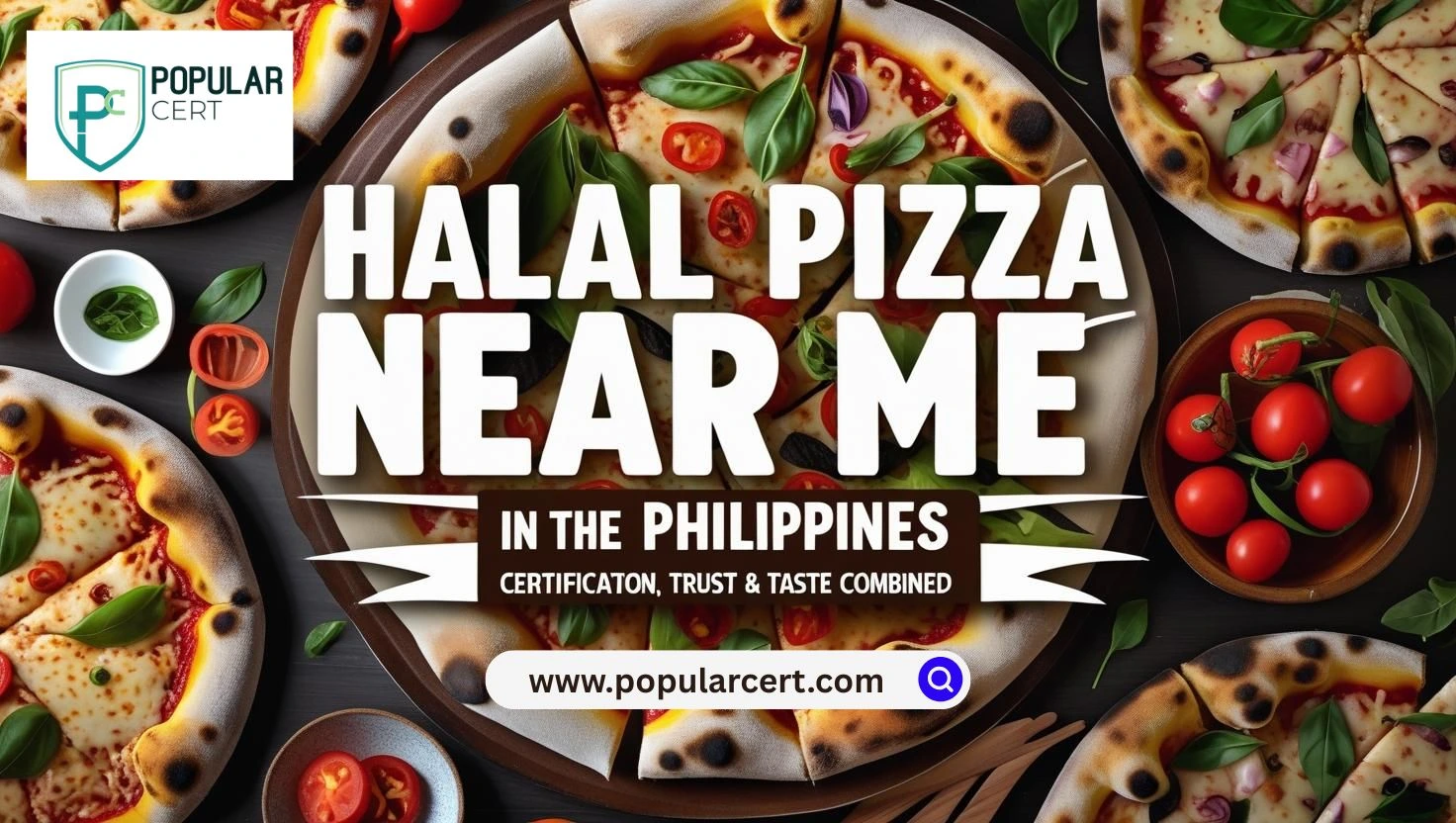
Searching for halal pizza near me in the Philippines? You definitely are not the only one. With the rising supply of Halal foods, especially to Muslim communities and travelers, guaranteeing that your pizza shop is Halal-certified is critical. But what is the meaning of a pizza store being Halal certified? And how can a consumer trust the label? This blog aims to analyze the circumstantial Halal Certification In Philippines regarding pizzas, while explaining why it’s beneficial for consumers and entrepreneurs at the same time.
Table of Contents
Why Halal is Important in Food & Pizza Culture
Islamic law gives directions on what one is allowed to consume under the word ‘HALAL.’ It involves more than just avoiding pork and alcohol; it also pertains to hygiene, the sourcing, the handling, and even the preparation of the ingredients. In the Philippines, with the growing number of Muslims and diverse culinary preferences, halal food is rapidly gaining traction.
When people Google “halal pizza in the area,” the phrase they’re searching goes beyond the scope of deliciousness. It is important for them and their families because it is trusted. The answer provides a guarantee from the certification that the food meets all religious, ethical, and health parameters safeguards.
What Is HALAL Certification and Who Needs It?
Halal certification in the Philippines operates under Republic Act 10817, the Philippine Halal Export Development and Promotion Act of 2016, which established NCMF’s authority to accredit certifying bodies like IDCP and IHIA giving consumers a legal, not just religious, basis for trusting a Halal label.
HALAL Certification signifies that a given product or establishment adheres to Islamic dietary laws. This certification looks at the entire process starting from food preparation, to sourcing of the ingredients, cleanliness of the kitchen, and even to employee conduct. Halal tourism has been on the rise globally, and Muslim-friendly services are no longer limited to Muslim countries. Even multicultural tourist hotspots like the Philippines are adapting to these changes.
Key Sectors Requiring Certification
In addition to being crucial in the meat processing industry, halal certification is also essential for:
Pizza restaurants and fast food chains
- Cloud kitchens and delivery services
- Frozen pizza manufacturers
- Food exporters and suppliers
- Halal Certified Pizza in the Philippines: Popularity Among Locals and Tourists
In places such as Manila, Cebu, Davao, and tourist destinations like Boracay and Palawan, the demand for halal-certified pizzas has significantly increased. People from different parts of the world are visiting these places and looking for halal food options that align with their faith.
Benefits for Pizza Businesses
- Access to a broader market audience comprising of millions of Muslim consumers
- Enhances brand reputation due to Islamic values and ethics
- Boosts visibility on the internet, especially in “near me” searches
- Adheres to standards of hygiene
HALAL Certification Process for Pizza Shops
Trending Posts
Get Free Consultation
Our Clients

Projects

Our Happy Clients
⭐⭐⭐⭐⭐
“PopularCert made our ISO certification process smooth and professional.”
— Manufacturing Client, Oman
⭐⭐⭐⭐⭐
“Excellent support and documentation guidance.”
— Healthcare Client, Saudi Arabia
⭐⭐⭐⭐⭐
“PopularCert simplified our ISO certification process with professional guidance and fast support.”
— Manufacturing Client, Saudi Arabia
The certification process includes a few steps:
- Application: For your restaurant and its ingredients, fill out an information form that can be used to submit to an accredited body like NIMH, IDCP, or IHIA.
- Inspection: Checking of all ingredients, preparations, the kitchen’s arrangement, and its general cleanliness is done through a thorough hygiene audit.
- Documentation: For the audit, you’ll be asked to submit a list of your suppliers, sources of meat, storage processes, and your standard operating procedures.
- Approval: Issuance of the certificate is done if all requirements are met. It is often valid for one year.
Cost and Validity
- This is based on the size of the business, number of branches and locations.
- Renewals are annual and come with follow up audits.
Business perks of Halal certification
Getting your pizza shop Halal certified offers numerous business and branding benefits:
- Creates confidence and retention among consumers especially within Muslim populations.
- Provides eligibility for inclusion on listings on some apps and platforms with Halal filters.
- Improves visibility through several search engines and local business maps.
- Facilitates exports for franchises of pizza brands venturing into foreign markets.
Certification as Halal compliance demonstrates that the company is observant of industry best practices such as hygiene, ethical sourcing, inclusivity, and servant leadership which appeals to all customers.
Free Halal Checklist
Assess compliance, reduce risks, and strengthen your Halal certification process.
- Practical & Audit-Ready
- Save Time & Effort
- No Registration Required
How To Identify Halal Certified Visually:
Symbols and Labels
The Halal logo or stamp is typically displayed:
- On storefront signage
- On takeaway/delivery packaging
- On food delivery platforms (if verified)
Reviewing Online Listings
You’re most likely to find Halal status indicated on:
- Google Business profiles
- Food delivery apps such as GrabFood and Foodpanda
- Restaurant discovery platforms, including Zomato
Getting HALAL Certified in the Philippines:
Trusted Certifying Bodies
Here are three of the most recognized organizations:
- IDCP – Islamic Da’wah Council of the Philippines
- IHIA – Halal International Islamic Assembly
NCMF – National Commission on Muslim Filipinos
All these bodies can issue reliable Halal certifications with local and international validity.
Documentation and Requirements
To obtain certification, businesses must compile:
- Permits along with DTI/SEC registration
- Supplier and meat sourcing documentation
- Comprehensive menu including an ingredients list
- Cleanliness and safety SOPs for the kitchen area
- Records of the staff training sessions on Halal issued guidelines
Why Engage With Experts PopularCert?
Obtaining Halal certification could feel overwhelming, but it doesn’t have to be difficult with the right guidance.
PopularCert streamlines the process by:
- Guided application through submission to inspection
- Provided documents and SOPs support.
- Streamlined audit clock with accredited bodies.
- Bespoke pricing for pizza restaurant franchises.
- Supported annual renewals and audits.
We help independents and chains effortlessly achieve Halal compliance.
Are You Ready To Halal Certify Your Pizza Business?
HALAL Certification shows true commitment to hygiene, quality, service, and incorporating people from all walks of life. In the context of the Philippine food industry’s competitive landscape, this certification elevates your business, earns loyal customers, and builds community goodwill.
Get HALAL Certified with PopularCert – Certified Safe With Food Enterprises Across The Philippines.
- Achieve full compliance with Halal standards
- Attract loyal customers and increase revenue
- Receive certified-focus support at every step of your certification journey
Initiate Your Halal Certification Steps With Popularcert Today, for Focused Assistance.
Discover how CE Credits Certification helps products meet EU safety, health, and regulatory requirements for access to European markets.
FAQ
Is halal pizza limited to Muslims only?
Not at all. Halal food appeals to the health- and quality-conscious consumers for being cleaner and ethically sourced.
Can a business owner who is not a Muslim apply?
Yes. Anyone meeting the criteria can apply for halal certification.
Which ingredients are prohibited?
Pork, alcohol, non halal meat, and meat from creatures not slaughtered according to Islamic procedures.
Does every branch require a certification?
Yes, separate evaluation is needed for each branch.
How long until one gets certified?
Usually between 2–4 weeks, depending on documentation and inspection rounds.
- Join 1000+ Certified Companies
Ready to Get Certified for Your Next Project?
- Free Consultation
- Expert Guidance
- Fast Turnaround
Reach Us Now